
Would Steve Jobs make it through AI filters?
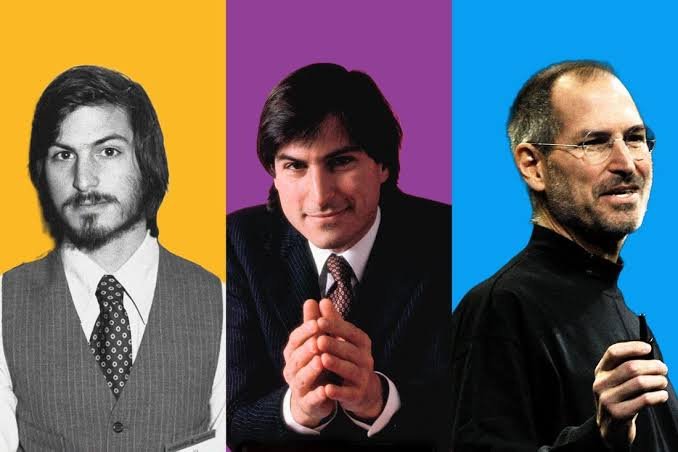
The big picture: Early-career recruiting season is beginning, which raises an uncomfortable question: Would a 21-year-old Steve Jobs even make it to the first interview?
A college dropout. No traditional career path. A fascination with calligraphy. Long stretches that didn't fit neatly into a résumé template.
On paper, many algorithms might have found safer bets. History suggests companies should be looking for the “risky” ones.
Why it matters: Hiring is among the most important decisions leaders make. The people you bring in shape culture, challenge assumptions, and determine what your organization becomes.
So why are we in such a hurry to hand more of that responsibility to machines?
The danger: Researchers continue to warn that AI recruiting systems can reinforce historical patterns and unintentionally exclude candidates who don't resemble people who succeeded in the past.
Even more concerning, researchers at the University of Washington found that people often accept an AI system's recommendations without questioning them.
Between the lines: Leaders have been trained to look for the things machines can easily identify. The right degree. The right keywords. The right internships. The right sequence of experiences.
But organizations are transformed by qualities that are much harder to quantify: curiosity, resilience, creativity, taste and the ability to connect ideas that others miss.
Steve Jobs himself reflected on that kind of nonlinear growth when he said: "You can't connect the dots looking forward; you can only connect them looking backward."
The experiences that made him extraordinary may have looked irrelevant to an algorithm.
Wronski Associate suggests leaders and companies use AI to help with scheduling, logistics and reducing administrative work, but judgment should remain human, all the way from the candidate slate to the final hiring decision.
The goal of recruiting shouldn't be to find the person who most resembles yesterday's success story. It should be to discover tomorrow's gem.
The bottom line: Jobs famously said, "It doesn't make sense to hire smart people and tell them what to do; we hire smart people so they can tell us what to do." He also said, “Keep looking. Don’t settle.”
The irony is hard to ignore.
